

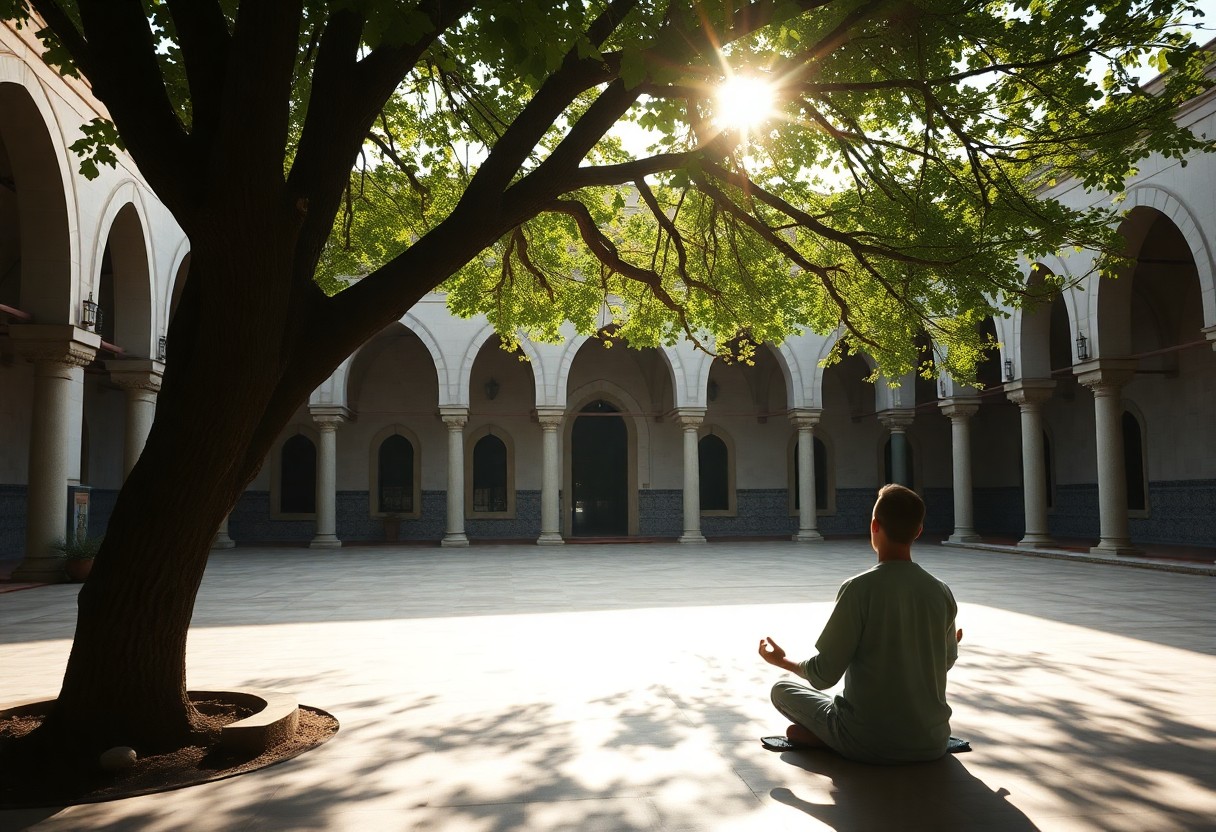
Anxiety is not something every believer can switch off with one spiritual technique. Islam offers prayer, dua, remembrance, community and tawakkul as important sources of meaning and support. Persistent or severe anxiety may also require professional mental health care.
The Mental Gymnastics of Faith: How Islamic Teachings Address Anxiety
In the complex dance of anxiety, Islamic teachings offer a unique rhythm, guiding you to engage in mental gymnastics that reshape your thoughts and emotions. These teachings provide not just theoretical frameworks, but practical applications that empower you to tackle your worries with resilience. The essence lies in developing a profound connection with your faith, allowing you to transform anxiety into a journey of spiritual growth and personal strength. By adopting these practices, you can navigate even the most turbulent waters with a steadfast heart.
The Role of Tawakkul: Trusting in Divine Wisdom
Tawakkul means relying upon ALLAH while still taking appropriate means. It can help a believer put uncertainty into a religious framework, but it should not be described as an antidote that reliably removes an anxiety disorder.
Prayer and Mindfulness: Finding Serenity Through Salah
Salah gives the believer regular moments of worship, recitation and turning toward ALLAH. Some people also experience calm during prayer. Others may pray sincerely while remaining anxious or distressed.
Prayer should therefore be valued first as worship. It can support coping and meaning, but it is not a guaranteed clinical treatment for anxiety symptoms.
Daily Practices That Can Support Coping
Routine can help some people feel more grounded. Salah, dhikr, sleep, exercise, supportive relationships and professional treatment can each play different roles. This article should not claim that religious rituals literally rewire the brain in a particular beneficial direction without strong evidence.
Dhikr: The Transformative Power of Remembrance
Dhikr is remembrance of ALLAH and an established act of worship. It may feel calming for many believers, but it should not be promised to slow a person’s heart rate or clear anxiety in every case.
The Impact of Charity: How Helping Others Can Heal You
Charity can create purpose, connection and benefit for other people. Its Islamic value does not depend on whether it changes a hormone level or improves the giver’s mood.
Giving should not be sold as an anxiety cure. A person can volunteer and still need therapy, medication or other forms of professional support.
Community and Connection: Building Your Support Network
Surrounding yourself with a strong network can significantly alleviate feelings of anxiety. By engaging with your community, you cultivate connections that offer both emotional support and practical help. Sharing experiences and leaning on each other can create a sense of belonging. Feeling isolated only heightens anxiety, but the right connections can remind you that others are navigating similar paths. You’re never truly alone when you foster these relationships, allowing you to tackle challenges with newfound strength and resilience.
The Strength of Ummah: Finding Comfort in Community
The concept of Ummah in Islam embodies a powerful support system, reminding you that you are part of a larger family. Engaging with your local mosque or community center creates an atmosphere where you can share your concerns without fear of judgment. This sense of belonging not only eases your anxiety but also promotes collective healing. By attending events and participating in group prayers, you foster connections that help lighten your burdens, making them feel a little more manageable.
Sharing and Seeking Help: Breaking the Stigma of Anxiety
Talking openly about anxiety can reduce shame and make it easier to seek help. A supportive family or community can matter greatly, but support from friends is not a substitute for assessment when anxiety is persistent, severe or interfering with daily life.
A Holistic Approach: Integrating Spirituality with Mental Health
Exploring a holistic approach to anxiety emphasizes the synergy between spirituality and mental well-being. By intertwining your faith with therapeutic practices, you can cultivate a comprehensive mental health strategy that addresses both the mind and soul. This integration often leads to a profound sense of purpose and tranquility, where spiritual grounding serves as both a source of comfort and resilience. Embracing this methodology transforms anxiety management from a purely clinical task into an enriching journey through your spiritual beliefs and values.
Islamic Psychology: Bridging Faith and Therapeutic Practices
Some Muslim therapists integrate Islamic values with evidence based psychological care. Anxiety can involve spiritual questions, but an anxiety disorder should not be reduced to a spiritual struggle. Qualified treatment and religious support can complement each other.
The Importance of Self-Care in Islamic Tradition
Self-care is a core component of Islamic tradition, promoting both spiritual and physical well-being. Engaging in activities such as regular prayer, meditation, and community involvement are key practices that nourish the soul and reduce anxiety. The Prophet Muhammad’s teachings often emphasized balance and moderation, encouraging you to prioritize self-care as a means to maintain your health and serenity. Approaching self-care with the intent to connect with your faith infuses daily routines with purpose and fulfillment, creating a holistic buffer against stress.
Emphasizing self-care in your daily life can take many forms, from nurturing your physical health through a balanced diet and exercise to allowing yourself mental breaks for reflection and prayer. Such practices not only rejuvenate your spirit but also fortify your mental resilience against anxiety. Engaging in community service, as encouraged in Islamic teachings, allows you to focus on others, providing a meaningful distraction from personal worries while simultaneously fulfilling your spiritual obligations. These acts collectively foster a heightened sense of belonging and support, helping you to navigate life’s challenges with more grace and strength.
Lessons from Prophetic Example: Resilience in the Face of Challenges
Throughout history, the Prophets exemplified remarkable resilience when faced with daunting challenges. Each story serves as a reminder that even the mightiest of obstacles can be overcome with unwavering faith and determination. Their experiences highlight the significance of maintaining hope and patience, reinforcing that life’s trials are not merely burdens but opportunities for spiritual growth. In your own journey, drawing inspiration from these exemplary figures can empower you to navigate hardships with grace and strength.
Stories of the Prophets: Facing Adversity with Grace
The Quran presents Prophet Ayyub as a model of patience during severe suffering and Prophet Yunus as a servant who turned back to ALLAH in distress. These stories can inspire believers without being converted into a promise that faith will remove clinical anxiety.
Practical Wisdom from The Hadith: Everyday Applications
The Hadith offers insightful guidance for managing anxiety through everyday practices that integrate spirituality into your daily life. Small, consistent acts such as daily prayers, gratitude reflections, and engaging in charitable deeds not only uplift your spirit but also ground you in purpose and community. By embodying these principles, you can effectively address feelings of anxiety and cultivate a resilient mindset. Each Hadith serves as a tool, reminding you to shift focus from worry to faith, facilitating a positive shift in your internal narrative.
Implementing the lessons from the Hadith into your life is surprisingly straightforward. Start with the practice of gratitude; each morning, jot down three things you’re thankful for. This helps redirect your mind away from anxious thoughts. Integrate regular prayer or meditation to foster a sense of connection and tranquility. Engaging in acts of kindness, whether it’s volunteering or simply checking in on a friend, not only uplifts your spirit but also strengthens your community ties. Embrace these practical wisdoms, and watch how your anxiety transforms from a burdensome weight into a stepping stone for personal growth.
Final Words
Islam gives anxious believers spiritual resources without asking them to pretend the anxiety is easy. Pray, make dua, practise dhikr, stay connected to trustworthy people and seek professional help when symptoms persist or interfere with daily life.
In Singapore, national mindline 1771 provides round the clock mental health support. HealthHub also advises seeking professional help for persistent symptoms rather than relying on self diagnosis.
See Singapore mental health support options

1 Comment
Pingback: Spiritual Wellness in Islam