
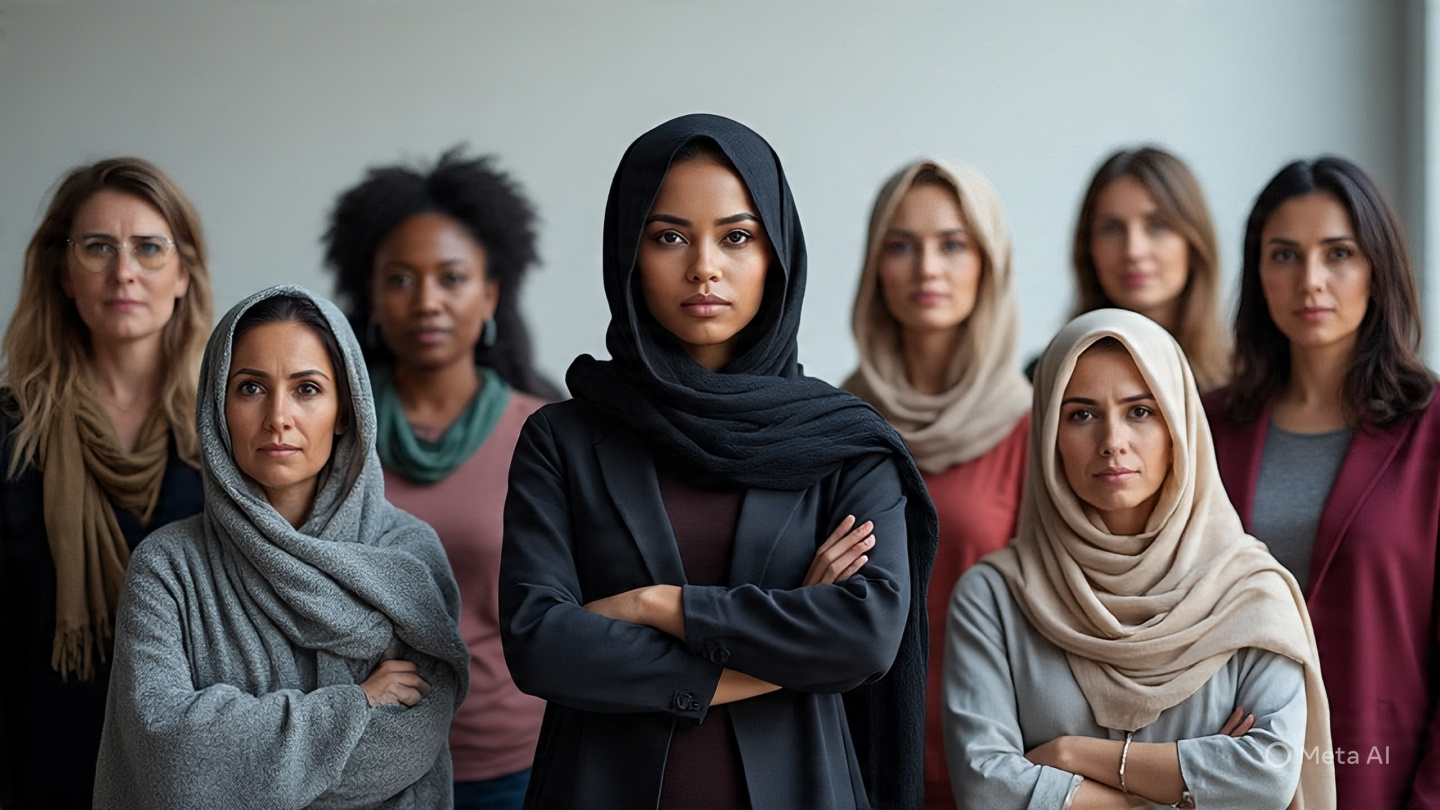
There’s a myriad of misconceptions surrounding women’s rights in Islam that can often lead to misunderstandings about the religion itself. In this article, you will explore the realities of women’s rights as prescribed in Islamic teachings, contrasting them with common myths. By examining these beliefs, you can gain a clearer perspective on the role and status of women in Islam, empowering you with knowledge to approach this topic with confidence and understanding.
Key Takeaways:
- Islam grants women rights in areas such as education, inheritance, and marriage, contrasting common misconceptions that portray women as oppressed.
- Cultural practices often misrepresented as Islamic principles have contributed to misunderstandings about women’s roles and rights in Muslim societies.
- Efforts to reinterpret Islamic texts through a contemporary lens aim to empower women and address issues of inequality and discrimination.
Demystifying Women’s Rights in the Quran
The Quran offers a comprehensive understanding of women’s rights, challenging many stereotypes. You can explore how various verses emphasize equality, respect, and the importance of women in society. This sacred text encourages empowerment and offers protection, dispelling the notion that Islam restricts women’s rights. By examining these principles, you gain a clearer perspective on the role of women in Islam and their inherent dignity as laid out in the Quran.
Key Verses That Empower Women
The Contextual Misinterpretations
The misinterpretation of certain verses in the Quran often leads to misconceptions about women’s rights in Islam. You might encounter contexts where cultural practices are mistakenly attributed to religious doctrines, creating a skewed narrative. Understanding the historical and cultural settings of these verses is imperative for grasping their intended meaning and impact on women’s rights.
Misinterpretations often arise when verses are viewed in isolation or without considering their historical context. You may notice that cultural practices in some Muslim communities diverge from Quranic teachings, highlighting the importance of distinguishing between cultural norms and religious tenets. This understanding is vital for fostering a more accurate perspective on women’s rights as intended in the Quran, allowing you to challenge prevailing misconceptions effectively.
Historical Perspectives: Women in Early Islamic Society
In early Islamic society, women played significant roles that often contradict prevalent misconceptions. Your understanding of women’s status should include their participation in various aspects of life, such as trade, education, and family matters. Islam emerged in a context where women could inherit property and engage in business, reflecting a more progressive approach compared to their contemporaries in various cultures. The teachings of Islam emphasized respect and dignity, reshaping women’s societal placement in powerful ways.
The Role of Women During the Prophet’s Time
During the Prophet Muhammad’s time, women were active participants in various societal roles. They were not only homemakers but also entrepreneurs, scholars, and warriors. You can observe that prominent figures like Khadijah, the Prophet’s wife, exemplified women’s capacity for leadership and independence, which laid the foundation for women’s empowerment in the new Islamic order.
Women Leaders and Their Contributions
Women in early Islamic history were instrumental leaders, contributing significantly to the faith and the community. You may find that figures such as Aisha bint Abu Bakr and Fatimah bint Muhammad rose to prominence, influencing religious thought and social structures. Their involvement extended beyond domestic duties, showcasing their leadership in education and governance, advocating for justice and ethics in Muslim society.
Aisha bint Abu Bakr, for instance, became a vital source of hadith—narrations of the sayings and actions of the Prophet Muhammad—making her a key figure in the preservation of Islamic teachings. Fatimah, the Prophet’s daughter, served as a moral and spiritual example for women, advocating for justice in her community. These women, and others like them, not only shaped religious narratives but also served as role models, demonstrating the potential for women to lead and innovate in diverse areas, challenging the limitations imposed by their contemporaneous societies.
Modern Interpretations and Applications
In contemporary discussions around women’s rights in Islam, you will find a growing emphasis on re-evaluating traditional interpretations of Islamic texts. Scholars and activists work to reconcile religious principles with modern societal values, focusing on promoting gender equality and women’s empowerment. These reinterpretations aim to reflect the diverse realities of Muslim women’s lives today, allowing you to understand the dynamic nature of Islamic thought and its potential for positive transformation.
Progressive Movements within Islam
You can observe a rise in progressive movements within the Islamic community advocating for women’s rights. These movements often emphasize social justice and reinterpret religious texts through a gender-sensitive lens, seeking to empower women in various spheres of life. By joining or supporting these movements, you can contribute to the collective voice calling for change and greater equality in your community.
Case Examples of Transformative Legal Changes
Several countries have made significant strides in advancing women’s rights through legal reforms influenced by progressive interpretations of Islam. These examples showcase how your efforts and advocacy can yield tangible improvements in the lives of women. Key areas of change often include family law, inheritance rights, and access to education, demonstrating a commitment to uphold human rights within an Islamic framework.
In Morocco, the Family Code reform in 2004 established gender equality in marriage and divorce, allowing women greater autonomy. In Indonesia, the 2008 law on domestic violence addressed gender-based violence and offered legal protection for women. These transformative changes illustrate how progressive interpretations of Islam can lead to impactful legal reforms, improving your understanding of women’s rights within this context. The experiences of these countries can inspire further advocacy and reform in other regions, highlighting the potential for significant progress driven by both grassroots movements and legal mechanisms.
Challenging Cultural Practices Mislabelled as Islamic
Many cultural practices attributed to Islam often stem from local traditions rather than religious doctrine. This mislabeling of customs can obscure the genuine teachings of Islam regarding women’s rights. By questioning these practices, you can promote a clearer understanding of women’s roles in Islam, separating authentic religious tenets from culturally ingrained beliefs that may undermine women’s status in society.
Distinguishing Tradition from Religion
It is imperative to distinguish between what is inherently Islamic and what is rooted in cultural customs. You may find that certain practices often deemed Islamic are actually social traditions that have evolved over time. By identifying these differences, you can advocate for a more accurate representation of women’s rights within the faith and challenge misconceptions.
Analyzing the Impact on Women’s Rights
The conflation of cultural practices with religious doctrine can significantly impact women’s rights within Muslim communities. When you evaluate these customs critically, you can uncover how they often restrict your freedoms and opportunities, perpetuating gender inequality. This analysis allows you to confront the underlying issues and work towards reforms that align with genuine Islamic principles of equality and justice.
Exploring how these cultural practices affect women’s rights reveals patterns of restriction and inequality that may not be aligned with Islamic teachings. You might notice that customs such as forced marriage or strict dress codes can limit your personal freedoms and choices. By understanding the origins and implications of these practices, you can engage in discussions that promote genuine interpretations of Islam, advocating for your rights while also considering the collective empowerment of women in your community.
Women’s Voices: The Journey Toward Equality
You may not realize how vital women’s voices are in the quest for equality within Islamic societies. Throughout history, women have played a significant role in advocating for their rights, challenging stereotypes, and reshaping narratives. Their journeys illustrate a commitment to fostering understanding and empowerment, demonstrating that the fight for equality is both a personal and collective endeavor. Engaging with these voices is vital for appreciating the broader context of women’s rights in Islam.
Amplifying Female Scholars and Activists
To understand women’s rights in Islam, you should seek out and amplify the work of female scholars and activists. These women bring unique perspectives that challenge mainstream narratives, providing insightful analyses rooted in Islamic teachings. By engaging with their writings and speeches, you can gain a deeper understanding of the complexities surrounding women’s rights and the diverse interpretations within the faith.
Grassroots Movements Shaping Change
Grassroots movements are instrumental in redefining women’s rights within Islamic contexts. You can find various initiatives led by women that tackle social, political, and economic challenges faced by their communities. These grassroots efforts not only empower women but also encourage collective action, leading to transformative impacts in society.
Grassroots movements are reshaping the landscape of women’s rights by fostering localized initiatives that address specific cultural and societal needs. You may encounter organizations spearheading educational programs, legal advocacy, or community outreach, all aimed at uplifting women’s voices. These movements often empower you and your peers to take leadership roles, fostering a sense of agency and responsibility. By supporting these initiatives, you are joining a larger effort to promote gender equality and social justice within your community and beyond.
Summing up
To wrap up, understanding women’s rights in Islam requires you to look beyond common misconceptions and engage with the realities shaped by context, culture, and interpretation. You may find that many rights granted to women in Islam, such as education, marriage, and financial independence, are often overshadowed by stereotypes. By exploring authentic sources and engaging with diverse perspectives, you can better appreciate the complex landscape of women’s rights in Islam and recognize the empowering aspects that are frequently overlooked.
FAQ
Q: Are women in Islam allowed to work and pursue education?
A: Yes, women in Islam have the right to work and seek education. Islamic teachings encourage knowledge and personal development for both men and women. Many historical and contemporary examples show Muslim women actively participating in various professions and educational fields.
Q: Does Islam promote gender equality?
A: While interpretations can vary, Islamic principles advocate for the equality of men and women in spiritual, moral, and social aspects. Both genders are considered equal in the eyes of God, and they are encouraged to support and uplift each other in society.
Q: Is women’s testimony valued equally to men’s in Islam?
A: In Islamic jurisprudence, women’s testimony is generally accepted and valued, although there are specific contexts where it is perceived as requiring corroboration by a male witness due to historical legal traditions. However, modern interpretations emphasize the importance of women’s voices and support equal recognition in legal matters.
