

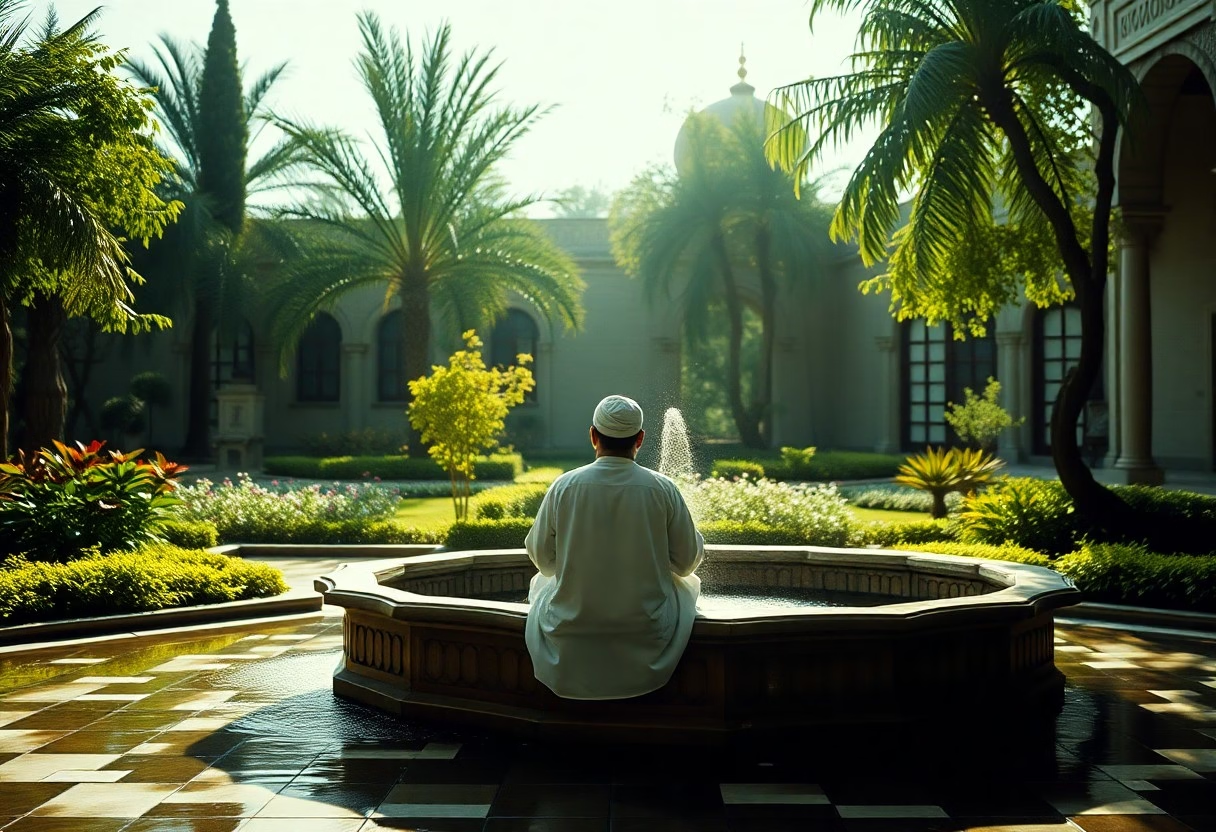
With a profound understanding of the interplay between the physical and spiritual aspects of life, you will discover how Islamic teachings promote holistic wellness. By integrating spiritual health and physical wellbeing, you can create a balanced lifestyle that nourishes both your body and soul. This blog post will explore crucial Islamic principles, practices, and lifestyle choices that foster healing and overall health, helping you deepen your connection to both your faith and your wellness journey.
The Islamic Perspective on Physical Wellness
Islam encourages responsible care of the body, cleanliness, moderation and seeking treatment. Good health can make worship and daily responsibilities easier, but illness is not evidence that a person has failed spiritually. The body is a trust, and caring for it includes using qualified healthcare when needed.
The Role of Nutrition in Islamic Teachings
Islamic teachings place significant emphasis on wholesome nutrition. The Quran promotes the consumption of pure and beneficial foods, urging believers to choose what is best for their bodies. Following the Sunnah of the Prophet Muhammad, you are encouraged to eat in moderation and avoid excess, recognizing the impact of dietary choices on both physical and spiritual well-being. The act of eating becomes a mindful practice, fostering gratitude and awareness of the blessings in your life.
Physical Activity as a Form of Worship
Physical activity can be beneficial and a lawful everyday activity may carry reward when joined to a good intention. The hadith praising the strong believer should not be read as a guarantee that athletic ability makes a person spiritually superior. It explicitly says there is good in both the strong and the weak believer.
Physical activity as worship is rooted in the belief that taking care of your body allows you to engage more fully in spiritual practices. The Prophet Muhammad said, “The strong believer is better and more beloved to Allah than the weak believer, while there is good in both.” This perspective encourages you not only to stay active but to see your physical health as interconnected with your faith. Regular exercise provides you with the energy needed to fulfill daily responsibilities, participate in community service, and maintain a positive outlook on life, ultimately contributing to your spiritual growth and overall well-being.
Spiritual Health: Integrating Faith and Well-Being
Embracing spiritual health fosters a profound connection between your inner self and overall well-being. In Islam, nurturing this connection allows you to cultivate a sense of purpose and meaning in your life. Engaging in practices that strengthen your faith can significantly improve your mental and emotional state, leading to holistic healing and a balanced lifestyle. This journey often involves aligning your personal values with your religious beliefs, ultimately guiding you toward a path of fulfillment and serenity.
The Power of Prayer and Meditation
Salah and dhikr are acts of worship that can also provide routine, reflection and spiritual comfort. They should not be advertised as treatments that reliably reduce anxiety or produce mental clarity in every person. A believer can pray sincerely and still need professional mental health care.
The Importance of Community and Social Support
Your well-being is significantly influenced by the relationships and connections you nurture within your community. Being part of a supportive Islamic community creates a sense of belonging, which is important for emotional stability and growth. Regular interactions with fellow believers not only enhance your spiritual journey but provide practical support through shared experiences and mentorship. This network can serve as a sanctuary during challenging times, reinforcing the notion that you are never alone in your journey towards healing.
Community can provide companionship and practical support through Jumuah, volunteering, family contact and ordinary friendship. Social connection is associated with wellbeing in many studies, but a supportive community does not make anyone immune to illness, grief or psychological distress.
Mental Resilience: Balancing Mind and Soul
Resilience can help a person cope with difficulty, but mental illness is not a failure of resilience or faith. Islam gives believers spiritual resources for hardship while medicine and psychology address conditions that may require assessment and treatment.
Understanding the Connection Between Mental and Spiritual Health
The interrelationship between mental and spiritual health is profound in Islam. A healthy mind nurtures a healthy soul, enabling you to connect deeply with your faith. Engaging in prayers, meditation, and reflection amplifies your mental clarity and emotional stability. This synergy enhances your ability to cope with life’s trials, creating a balanced state of being that reflects both mental fortitude and spiritual well-being.
Islamic Recommendations for Stress Management
Islam offers several methods for managing stress that enrich your mental and spiritual well-being. Practices such as regular prayer (Salah), reading the Quran, and engaging in dhikr (remembrance of God) help cultivate a calm mind. Additionally, establishing a routine of gratitude and community support enhances your resilience, allowing you to face life’s challenges with a serene and focused approach.
Daily salah provides regular moments of worship and reflection. Charity and gratitude can also strengthen purpose and relationships. These practices may support coping, but none should be promoted as a guaranteed stress treatment.
Healing Practices: Bridging Science and Spirituality
Muslims may combine spiritual practices with evidence based healthcare. Dua and prayer address the believer’s relationship with ALLAH. Medical treatment addresses illness through appropriate clinical methods. The two can coexist without pretending that every traditional remedy has been scientifically proven.
The Role of Natural Remedies in Islamic Medicine
Honey and black seed appear in Islamic texts and have been studied for various possible health effects. That does not mean they are proven treatments for every illness. Natural products can also have side effects or interact with medication, so specific medical claims should be checked with qualified healthcare professionals.
The Impact of Prophetic Traditions on Healing Approaches
Prophetic traditions, or Sunnah, greatly influence healing methods in Islam. The teachings of the Prophet Muhammad underscore the importance of holistic health, emphasizing both the physical and spiritual dimensions of wellness. You may find specific guidance on food, medicinal plants, and therapeutic practices that promote both mental clarity and physical vitality. These traditions inspire you to incorporate healthier choices and methods into your life that have stood the test of time.
Delving deeper into the impact of Prophetic traditions reveals a wealth of practices that prioritize your physical and spiritual health. For example, the Prophet’s emphasis on maintaining a balanced diet and using natural remedies acts as a guide for physical wellness. Furthermore, engaging in practices such as regular fasting and seeking Allah through prayer fosters your spiritual growth. As you implement these teachings into your healing journey, you foster a deeper sense of harmony and interconnectedness, allowing you to nurture your body and soul holistically.
Strengthening Relationships: The Interpersonal Dimension of Wellness
Building strong relationships enhances your emotional and spiritual well-being, supporting a holistic approach to wellness. In Islamic teachings, interpersonal connections are crucial components of a fulfilling life, reflecting the significance of empathy, compassion, and communication. Each interaction is an opportunity to deepen your connection with others, contributing to a sense of belonging and stability where love and support thrive.
The Importance of Family and Marriage in Islamic Life
Family and marriage hold immense weight in Islamic culture, deeply embedded in the faith’s principles. The family unit is viewed as a microcosm of society, where mutual respect, love, and responsibility flourish. As you nurture these bonds, you not only strengthen your own emotional health but also fulfill your Islamic duty to foster harmony and understanding within your household.
Charity and Its Impact on Personal Fulfillment
Giving can create connection and purpose, but zakat and voluntary sadaqah are not the same thing. Zakat is an obligation under defined conditions, while sadaqah is voluntary. Neither should be marketed as a mental health treatment.
Charity has religious and social value whether or not it improves the giver’s mood. Research on generosity and wellbeing can be interesting, but it does not justify promising reduced anxiety or emotional healing to everyone who gives.
Conclusion
Islamic wellness is best approached without false promises. Pray, eat responsibly, stay active, maintain supportive relationships and seek treatment when needed. Spiritual practice can give illness meaning and support, while healthcare can address conditions that faith alone should not be expected to diagnose or cure.
For persistent depression or anxiety in Singapore, HealthHub advises seeking professional help rather than self diagnosis. National mindline 1771 is also available around the clock for mental health support.
Read HealthHub guidance on depression

1 Comment
Pingback: Spiritual wellness in Islam: A guide to personal growth