

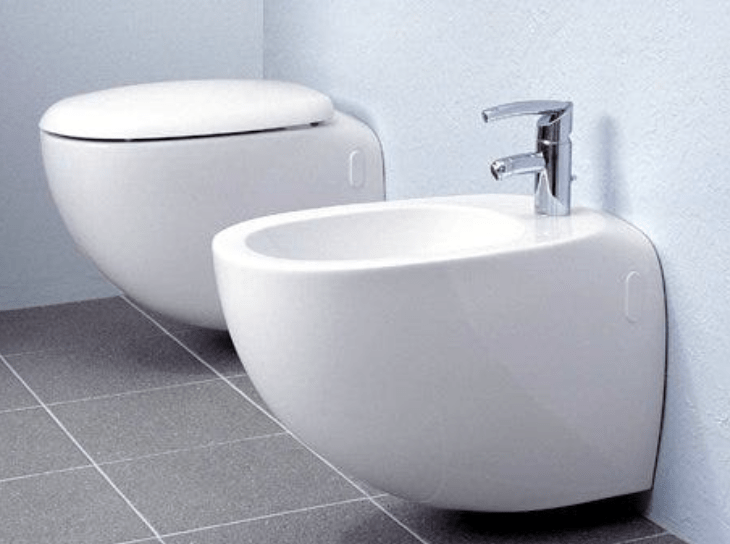
Wudu is the ritual purification Muslims perform before prayer. A bidet or handheld spray is useful for istinja, which means cleaning yourself after using the toilet. It is not a special method of wudu.
After cleaning yourself, perform wudu normally using clean water from the sink, shower or another suitable water source. The required acts remain the same whether the bathroom has a bidet or not.
Key Takeaways
- A bidet spray is mainly for cleaning after using the toilet.
- Wudu is a separate act of ritual purification.
- You may perform wudu in a bathroom as long as the water is clean.
- Wash the required parts properly and avoid wasting water.
- Keep the bathroom and any shared spray or hose clean.
Separate Istinja from Wudu
If you have used the toilet, clean any impurity first. A handheld bidet spray can make this easier. Once you are clean, you may begin wudu.
The religious validity of wudu does not depend on whether you used a bidet. It depends on completing the required acts of purification with clean water.
Keep the spray, hose, toilet area and sink clean. Avoid directing a toilet spray toward the face if there is a risk of contamination. Use the sink or another clean water source for the face and arms whenever practical.
How to Perform Wudu in a Bathroom with a Bidet
- If you used the toilet, clean yourself first and wash away any impurity.
- Make the intention for wudu in your heart.
- Wash the face completely.
- Wash both arms including the elbows.
- Wipe the required part of the head according to the school of law you follow.
- Wash both feet including the ankles.
Other Sunnah acts such as washing the hands at the beginning, rinsing the mouth and nose, repeating washes and following the Prophetic order can also be observed according to your school and practice.
The bidet does not change the rules of wudu. It is simply one bathroom tool for cleaning after the toilet.
Design Considerations for Bidet Ablution Facilities
When it comes to designing bidet ablution facilities, there are several important considerations to keep in mind. The goal is to create a space that is accessible, user-friendly, and promotes good hygiene practices. Here are some key design considerations:
1. Accessibility:
It is important to ensure that facilities are accessible to all individuals, including those with disabilities or mobility challenges. This can be achieved by providing ramps or elevators for wheelchair access, ensuring that controls and handles are within reach, and allowing for proper maneuvering space within the facility.
2. Clear Instructions:
To ensure proper usage of facilities, clear instructions should be provided. This can be done through informative signage or labels that explain how to operate the bidet, adjust water temperature, and use any additional features. Clear instructions will help users feel confident and comfortable when using the facility.
3. Clean Water Source:
One of the most important aspects of facilities is the availability of a clean and reliable water source. The water used for should be clean and free from contaminants. It is also beneficial to have temperature control options, allowing users to adjust the water to their preferred temperature.
By considering these design considerations, bidet ablution facilities can be created to provide a hygienic and user-friendly experience for all individuals.
Drying After Wudu
Drying after wudu is not required for the wudu to be valid. You may use a clean towel or allow the water to dry naturally. If you carry a personal towel, keep it clean and let it dry properly between uses.
Benefits of Handheld Bidet Showers
Handheld bidet showers are a practical choice for disabled individuals as they offer more control and flexibility. These devices can be used while sitting or standing, allowing users to perform ablution comfortably. The adjustable water pressure feature enables individuals to customize the intensity of the water spray, catering to their specific needs and preferences.
Handheld sprays can help some people with limited mobility clean themselves more independently. The best setup depends on the person’s physical needs and bathroom design.
Moreover, handheld bidet showers are generally easy to install and operate. They can be attached to existing toilets or bidet fixtures, making them a convenient option for retrofitting existing ablution facilities. With their ergonomic design and user-friendly controls, handheld bidet showers offer a practical solution for disabled individuals seeking an accessible ablution experience.
Conclusion
A bidet can make toilet hygiene easier, but it does not create a different form of wudu. Clean yourself first, then perform wudu normally with clean water and make sure the required areas are washed or wiped correctly.
Simple is enough. The bathroom equipment may change. The essentials of wudu do not.
FAQ
What is ablution?
Ablution, also known as wudu, is a ritual cleansing process performed by Muslims before prayers.
What does ablution involve?
Ablution typically involves washing the face, head, hands, arms, and feet.
What considerations should be kept in mind when designing bidet ablution facilities?
Bidet ablution facilities should be easily accessible, user-friendly, equipped with clean water sources, and incorporate hygiene measures such as regular cleaning and disinfection.
What are personal bidet towels?
Personal bidet towels are portable and eco-friendly towels made of quick-drying microfiber, providing comfort and convenience during ablution.
Are bidets suitable for disabled individuals?
While standard bidets may not be suitable for all disabilities, alternative options such as handheld bidet showers or bidet toilet seat attachments can provide a more accessible solution.
Source Links
