

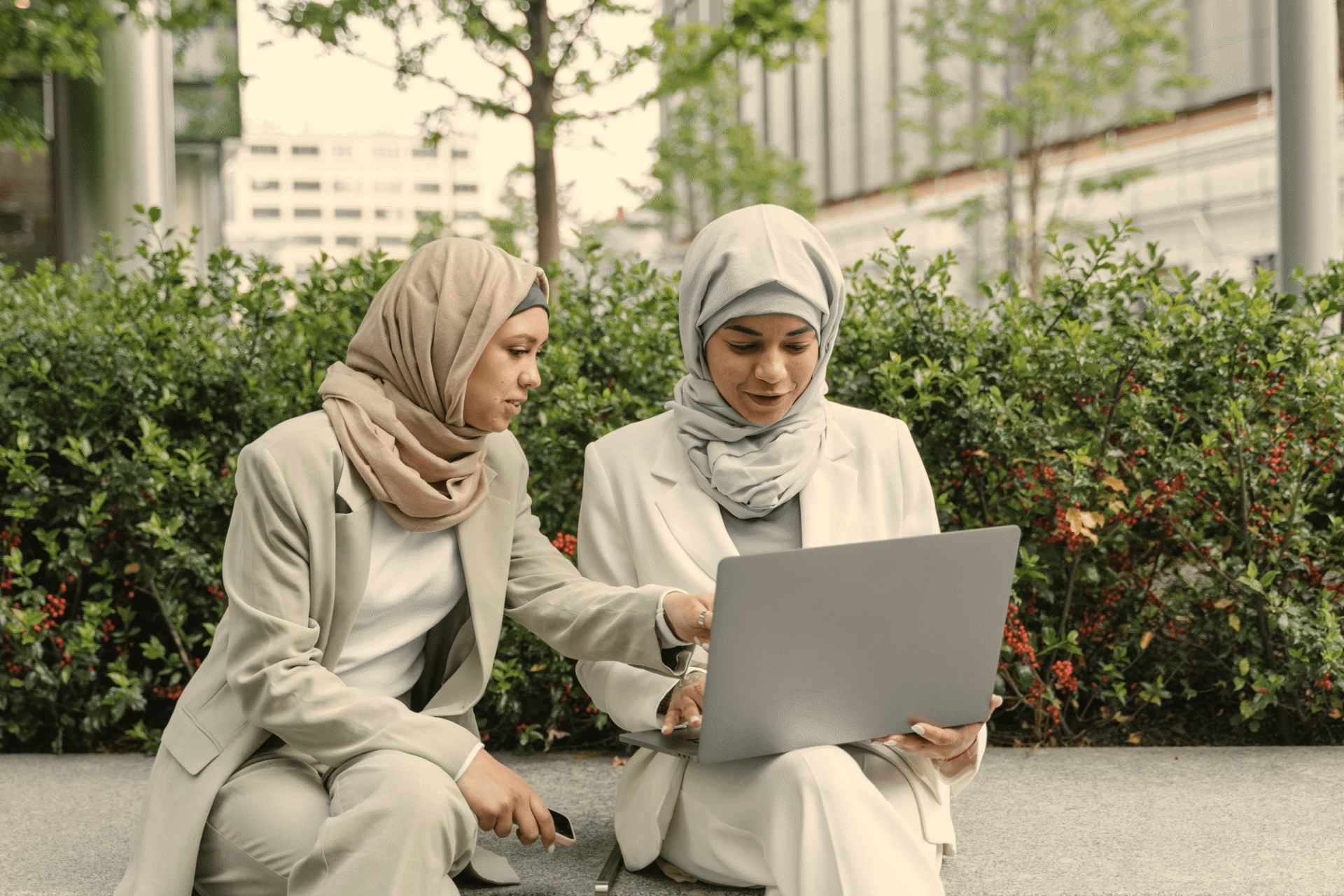
In today’s modern world, women empowerment has become a significant concern in various societies. It is a concept that strives to ensure that women have equal access to opportunities, resources, and rights as men. Islam, being one of the world’s major religions, has also addressed the issue of women empowerment. Understanding the concept of the Modern World’s Women Empowerment in Islam is essential to grasp its importance in the context of Islam.
Understanding Women Empowerment
Women empowerment can be defined as the process of enabling women to have control over their lives, making informed choices, and achieving their full potential in all spheres of life. It encompasses various dimensions, including social, economic, political, and educational aspects. Women empowerment aims to eliminate gender-based discrimination and create an egalitarian society where women can freely exercise their rights and contribute to the development of society.
This is not just a concept, but a movement that has gained momentum over the years. It is rooted in the belief that women deserve equal opportunities and should be treated with respect and dignity. This movement has been driven by the tireless efforts of individuals, organizations, and governments who recognize the importance of empowering women and creating a more equitable world.
Defining Women Empowerment
Women empowerment, in the Islamic context, aligns with the principles enshrined in the Quran and the teachings of Prophet Muhammad (peace be upon him). It emphasizes the respect, dignity, and rights of women as equal members of society. It rejects any form of oppression or injustice towards women and upholds their right to education, work, and participation in decision-making processes.
In addition to religious teachings, women empowerment is also supported by international frameworks and agreements. The United Nations has recognized the importance of women’s empowerment and has set various goals and targets to promote gender equality and women’s rights. These include the Sustainable Development Goals, which aim to achieve gender equality and empower all women and girls by 2030.
The Importance of Women Empowerment
Women empowerment is crucial for the overall progress and development of any society. When women are empowered, they can contribute their skills, knowledge, and perspectives towards achieving sustainable development. By empowering women, we create a stronger, more inclusive society that benefits everyone. It is through women’s empowerment that we can overcome social, economic, and political inequalities and build a just and harmonious world.
This has a ripple effect on society. When women are given equal opportunities and support, they can break the cycle of poverty and improve the well-being of their families and communities. Studies have shown that investing in women’s empowerment leads to better health outcomes, increased economic growth, and reduced poverty rates. It also promotes peace and stability, as empowered women are more likely to participate in conflict resolution and peacebuilding efforts.
Read : Facts and Figures: Economic Empowerment © UN Women
Furthermore, women’s empowerment is not just about achieving gender equality, but also about challenging harmful gender norms and stereotypes. It involves dismantling the patriarchal structures that perpetuate discrimination and violence against women. By challenging these norms, we can create a society where both men and women can thrive and live in harmony.
Women empowerment is a multifaceted concept that encompasses various dimensions and is supported by religious, international, and societal frameworks. It is crucial for achieving sustainable development, promoting gender equality, and creating a just and harmonious world. By empowering women, we can unlock their full potential and create a brighter future for all.
The Role of Women in Islam
In order to understand the concept of women empowerment in Islam, it is important to explore the role of women in the religion throughout history and in contemporary times.
Historical Perspective of Women in Islam
Contrary to popular misconceptions, Islam has recognized and respected the rights of women since its inception. During the time of Prophet Muhammad (peace be upon him), women played active roles in society and held positions of influence and leadership. They were involved in trade, education, and even participated in battles alongside men. Islam granted women the right to own property, inherit wealth, and seek an education, which were revolutionary concepts at the time.
One notable example of a woman’s influential role in early Islamic history is Khadijah bint Khuwaylid, the first wife of Prophet Muhammad. Khadijah was a successful businesswoman and played a crucial role in supporting the Prophet’s mission. She was known for her intelligence, wisdom, and unwavering support for her husband. Her contributions to the early Islamic community serve as a testament to the significant role women played during that time.
Furthermore, Islam emphasized the importance of education for both men and women. Women were encouraged to seek knowledge and engage in intellectual pursuits. This led to the establishment of educational institutions specifically for women, such as the University of Al-Qarawiyyin in Morocco, founded by Fatima al-Fihri in 859 CE. The existence of such institutions highlights the progressive nature of Islam in promoting women’s education and intellectual development.
Contemporary View of Women in Islam
Today, women in the Islamic world continue to contribute meaningfully to their communities and societies. They excel in various fields, including politics, education, sciences, arts, and business. Muslim women around the world are making great strides in their respective fields and breaking barriers that were once considered insurmountable.
One notable example is Malala Yousafzai, a Pakistani activist for female education and the youngest Nobel Prize laureate. Despite facing adversity and threats from extremists, Malala has been a vocal advocate for girls’ education and has become an inspiration for young women worldwide.
In addition to individual achievements, there are also numerous organizations and initiatives dedicated to empowering women in the Islamic world. These organizations provide support, resources, and opportunities for women to thrive in their chosen fields. They aim to break down societal barriers and challenge traditional gender roles, promoting gender equality and women’s rights.
Islam encourages women to be active members of society while adhering to their religious obligations. Women are encouraged to seek knowledge, pursue their passions, and contribute to the betterment of their communities. The religion promotes the idea that women are equal to men in the eyes of God and should be treated with respect and dignity.
It is important to recognize that the experiences of Muslim women vary across different cultures and regions. While some societies may still struggle with gender inequality and discrimination, it is crucial to separate cultural practices from the teachings of Islam. The religion itself provides a framework for gender equality and women’s empowerment, and it is up to individuals and communities to uphold these principles.
Misconceptions about Women in Islam
Despite the progress made in recognizing women’s rights in Islam, there are still many misconceptions and stereotypes that persist.
Debunking Stereotypes
One common misconception is that Islam oppresses women and restricts their freedom. However, this is far from the truth. Islam promotes gender equality and emphasizes the importance of mutual respect, love, and compassion between men and women. The Quran acknowledges the unique qualities and strengths of both genders and emphasizes their complementarity rather than inferiority or subordination.
Clarifying Misinterpretations
Another misconception is that Islam mandates women to be subservient to men. In reality, Islam encourages cooperation and partnership between men and women in all aspects of life. The Quran explicitly states that men and women are equal in the eyes of Allah, and they are both accountable for their actions. Any misinterpretations or cultural practices that undermine the rights of women are contrary to the true teachings of Islam.
The Intersection of Islam and Women Empowerment
Islam provides a framework that supports and promotes women empowerment. The teachings of Islam offer guidance on various aspects of women’s lives, including education, marriage, family, and societal roles.
Islamic Teachings on Women Empowerment
Islamic teachings emphasize the importance of education for both men and women. The Prophet Muhammad (peace be upon him) stated that seeking knowledge is a duty for all Muslims, regardless of gender. In Islam, marriage is seen as a partnership based on mutual love, respect, and support. Women have the right to choose their partners and enter into marriage based on their own free will.
The Quran and Women’s Rights
The Quran explicitly supports women’s rights and dignity. It states that women have the right to own property, inherit wealth, and participate in economic activities. In matters of governance, the Quran encourages consultation and consensus, which includes the participation of women in decision-making processes. Islam lays the foundation for a just and equitable society where women can flourish.
Challenges and Progress
While Islam promotes women empowerment, there are still challenges that need to be addressed to ensure gender equality and inclusivity.
Barriers to Women Empowerment in Islam
Social and cultural barriers, lack of education, discriminatory practices, and patriarchal norms are some of the obstacles that hinder women’s empowerment in Islamic societies. It is crucial to challenge these barriers and work towards creating a supportive environment where women can thrive and contribute equally.
Achievements and Progress in Women Empowerment
Despite the challenges, there have been significant achievements in women empowerment within the Islamic world. Many Muslim-majority countries have implemented reforms, such as improving educational opportunities for women, enhancing their participation in politics, and introducing laws that protect their rights. These efforts reflect the commitment of Islamic societies to ensure women’s empowerment and gender equality.
In conclusion, the modern world’s women empowerment in Islam is a multi-faceted issue that requires understanding and acknowledgment. Islam, as a religion, recognizes the importance of women’s rights and their empowerment. It promotes equality, justice, and the full participation of women in all spheres of life. By challenging misconceptions, addressing barriers, and fostering progress, society can achieve true women empowerment in Islam, leading to a more inclusive and harmonious world for all.

