
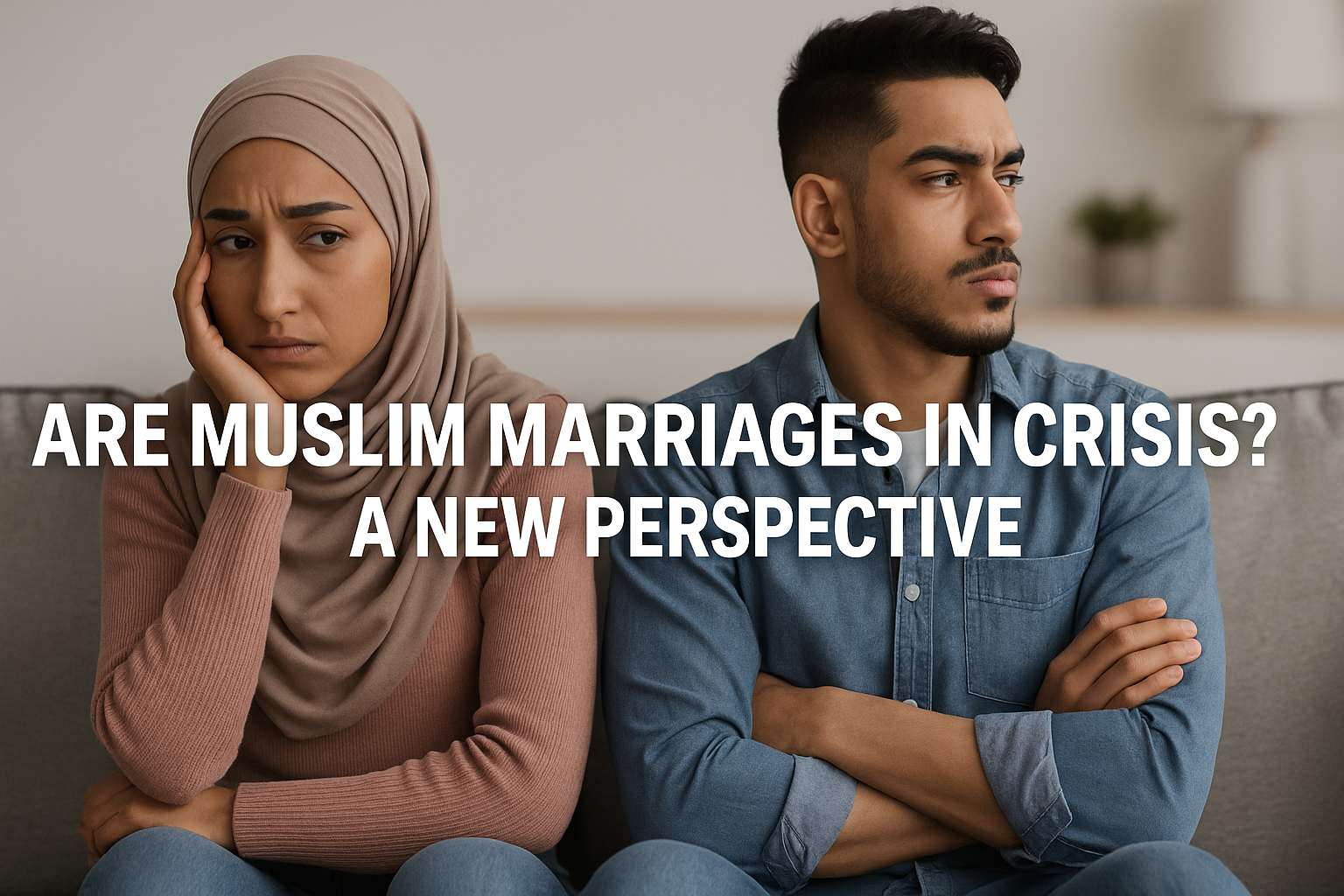
Crisis situations can often cloud our understanding of complex issues, and the state of Muslim marriages is no exception. You may wonder if traditional values are compatible with modern challenges, or how societal pressures impact personal relationships. In this listicle, we provide a fresh perspective on the evolving dynamics of Muslim marriages today, offering insights that may help you navigate these complexities in your own life or community.
It’s imperative to critically examine the evolving dynamics of Muslim marriages today. You may wonder whether traditional values can withstand contemporary challenges, or if they contribute to a perceived crisis. This listicle reveals ten key factors influencing marital stability within Muslim communities, offering you insights that encourage reflection and understanding. By exploring these elements, you can better navigate the complexities of relationships in a rapidly changing world.
Key Takeaways:
- Analyzes socio-cultural factors contributing to challenges in Muslim marriages, including changing gender roles and expectations.
- Highlights the impact of economic pressures and individualism on marital stability within Muslim communities.
- Offers insights into potential solutions, emphasizing the importance of communication and community support in fostering healthier relationships.
Key Takeaways:
- Muslim marriages face challenges due to cultural, religious, and social shifts impacting traditional practices.
- Open communication and re-evaluating expectations are vital for fostering successful partnerships.
- Support systems within the community can play a vital role in addressing marital issues and promoting healthier relationships.
Unpacking the Myths: Misconceptions Surrounding Muslim Marriages
Many misconceptions cloud the understanding of Muslim marriages, leading to stereotypes and generalizations that fail to capture their diversity. By unraveling these myths, you can gain insight into the realities of Muslim marital practices. The dialogue surrounding Muslim marriages often neglects individual experiences, cultural contexts, and the rich tapestry of tradition and modernity. Understanding these elements can alter your perspective on Muslim relationships.
Stereotypes and Media Portrayals
Media narratives often simplify and exaggerate aspects of Muslim marriages, perpetuating harmful stereotypes. This portrayal can mislead public perception. Consider these common misconceptions:
- All Muslim marriages are arranged.
- Muslim women have no agency in marriage.
- Muslim men are always oppressive.
- Divorce is taboo in Muslim communities.
- All Muslim marriages are unhappy.
The simplification of complex social dynamics contributes to misunderstandings about Muslim relationships.
| Myth | Reality |
| All marriages are arranged | Many choose their partners. |
| Women lack agency | Women play significant roles in decision-making. |
| Men are oppressive | Dynamics vary widely within different cultures. |
| Divorce is taboo | Divorce rates are rising in some communities. |
| All marriages are unhappy | Many couples report strong satisfaction. |
Cultural Practices vs. Religious Teachings
Understanding the distinction between cultural practices and religious teachings is vital when discussing Muslim marriages. You may find that certain traditions, often misattributed to Islam, are actually cultural customs. These practices can differ widely across regions and communities, leading to misconceptions about the religion itself. Exploring the foundational teachings of Islam can help clarify what is rooted in faith versus what is culturally derived.
For example, many cultural traditions may impose specific gender roles or expectations that do not necessarily align with Islamic teachings about equality and respect in marriage. It’s important to differentiate these influences, as you navigate through the landscape of Muslim marriages. Engaging with authentic sources or knowledgeable individuals can offer clarity on how these dynamics operate within various communities, facilitating a more informed understanding of your own perceptions of Muslim marital life.
The Unseen Financial Strain of Modern Muslim Marriages
As you navigate the complexities of modern Muslim marriages, it’s important to recognize the financial strain that often lurks beneath the surface. Rising costs of living and changing social norms have led to increasing economic pressures on couples, making the journey towards marriage more daunting. Financial considerations impact not just the couple’s relationship but can also strain family dynamics and social expectations.
Economic Pressures and Expectations
You may find that economic pressures and societal expectations force you to conform to certain standards that impact your marriage. The high demand for financial stability can create tension between partners, especially when financial goals and personal aspirations conflict. Understanding these pressures helps you to navigate your own expectations and those of your community.
The Cost of Traditional Versus Contemporary Weddings
The debate surrounding traditional and contemporary wedding costs is often pronounced in modern Muslim marriages. You might find that traditional weddings, while deeply rooted in cultural practices, can lead to significant financial burdens. Conversely, contemporary weddings often emphasize simplicity and individual choice, potentially reducing expenses but introducing new societal expectations to consider.
When evaluating the cost of traditional versus contemporary weddings, you may often be faced with stark contrasts. Traditional weddings typically involve elaborate ceremonies, extensive guest lists, and costly rituals, all demanding significant financial investment. In contrast, contemporary weddings allow for streamlined planning, focusing on intimate gatherings with personal touches that can reduce overall costs. However, contemporary weddings may still bear hidden expenses, influenced by societal norms and personal expectations. Balancing the cultural significance of a traditional approach against the practicality and modernity of a contemporary celebration is imperative to mitigate financial strain while honoring your family’s values.
The Impact of Modernity: How Globalization Affects Relationships
Globalization brings diverse influences that challenge traditional Muslim marriages. As you navigate your relationships, exposure to various cultures and ideologies may alter your perceptions of love and partnership. The interconnected world reshapes expectations, introducing new dynamics that could strain long-standing customs while also offering opportunities for growth and understanding in your personal interactions.
Shifting Social Norms and Expectations
In contemporary society, you may notice that social norms around relationships are evolving. With an increase in education and career opportunities, the expectations placed on you and your partner differ from those of previous generations. This shift can create tensions as you balance personal aspirations with communal values, prompting a re-evaluation of what it means to enter a marriage.
Balancing Tradition with Contemporary Life
Balancing tradition with contemporary life requires careful consideration of your values and aspirations. You may find it challenging to uphold cultural practices while also embracing modern relationship dynamics. This negotiation is crucial, as it allows for a marriage that honors your heritage while adapting to current realities. Open communication with your partner can help you navigate this complex landscape effectively.
As you balance tradition with contemporary life, it is important to engage in honest conversations with your partner about your expectations. This dialogue fosters mutual respect and understanding, enabling you both to incorporate meaningful cultural practices while recognizing the need for flexibility. You may draw upon community resources or seek guidance from elders to find a path that respects your roots while allowing personal growth. Embracing both spheres can enrich your marital experience and lead to a fulfilling partnership.
Cultural Shifts: Tradition vs. Modernity in Muslim Unions
As you navigate contemporary Muslim marriages, you might observe a tug-of-war between traditional norms and modern values. These shifts are reshaping expectations around marriage roles, commitment, and partnership. While some cling to time-honored customs, others embrace a progressive approach, influencing how you perceive love, familial duties, and gender equality within the marital dynamic.
The Impact of Globalization on Marriage Practices
In a globalized world, you may find that marriage practices among Muslims are diversifying, blending cultural traditions with new influences. Exposure to different lifestyles and beliefs through travel and technology invites you to reconsider conventional views of marriage, leading to more choices and varied expectations in your relationships.
Evolving Gender Roles and Their Influence on Relationships
Your understanding of gender roles is likely evolving, impacting your relationship dynamics significantly. As women increasingly pursue education and careers, you may notice a shift in expectations regarding partnership and household responsibilities, promoting a more egalitarian approach in your union.
This evolution of gender roles is shaping how you experience and define relationships today. As traditional expectations begin to dissolve, you and your partner may find yourselves negotiating responsibilities and decision-making more openly. This shift towards equality fosters mutual respect and collaboration in your marriage, addressing individual aspirations while promoting a shared vision of partnership that reflects contemporary values.
Diverging Paths: Education and Empowerment of Muslim Women
The increasing emphasis on education for Muslim women is reshaping their roles within society. As you witness women pursuing higher education and professional careers, you might notice a shift in traditional views, enabling women to assert independence and challenge societal norms. This empowerment fosters confidence and paves the way for greater participation in decision-making processes within families and communities.
The Rise of Women in Academia and Careers
You can observe a notable increase in Muslim women’s presence in academic institutions and various professional fields. This rise signifies a broader trend towards self-sufficiency, with women breaking barriers in industries previously dominated by men. Education equips you with the tools to engage in meaningful dialogues and contribute significantly to societal progress.
Changing Dynamics in Partner Selection
The approach to partner selection within Muslim communities is evolving. As women pursue education and careers, they increasingly seek partners who support their ambitions and share similar values regarding gender equality. This shift reflects a growing recognition of mutual respect and partnership in relationships, ultimately leading to more equitable marriages.
In this changing landscape, you might find that young Muslim women prioritize personal compatibility and shared aspirations when considering potential partners. The traditional practices of arranged marriages are gradually giving way to preferences for love-based unions, where both partners actively engage in discussions about their goals and aspirations. Such dynamics foster relationships built on respect and equality, shaping a new narrative around Muslim marriages that align with contemporary values.
Communication Breakdown: A Hidden Factor in Marital Strife
In many Muslim marriages, communication breakdowns serve as a hidden yet powerful factor contributing to marital strife. When partners fail to express their needs, feelings, and frustrations, misunderstandings proliferate, leading to resentment and distance. Effective communication, rooted in empathy and active listening, is necessary for nurturing marital bonds and addressing conflicts. Without it, every unresolved issue can snowball, pushing couples further apart.
The Role of Technology in Relational Disconnect
Technology, while beneficial in many ways, can also exacerbate relational disconnect in marriages. You may find that excessive screen time, social media distractions, or texting have replaced meaningful face-to-face conversations. This shift can create emotional distance and diminish intimacy, making it vital to set boundaries and prioritize genuine interactions with your partner.
Language Barriers: Misunderstandings and Assumptions
Language barriers can lead to significant misunderstandings and assumptions in your marriage. Even when both partners speak the same language, nuances, dialects, and cultural phrases can create confusion. This often results in misinterpretations of intentions and emotions, causing frustration and hurt feelings. Recognizing and addressing these barriers is key to fostering clarity and connection.
Language barriers often manifest in subtle ways, making it easy for you to overlook their impact. When you and your partner come from different linguistic backgrounds or cultural contexts, certain phrases or words may not hold the same meaning. These discrepancies can lead to assumptions about each other’s feelings or intentions, creating rifts in understanding and trust. Taking the time to clarify your points and explore each other’s viewpoints will help bridge these gaps, promoting a healthier dialogue. Moreover, cultivating patience and openness towards each other’s expressions can significantly enhance the quality of your communication.
Communication Breakdown: The Role of Dialogue in Marital Satisfaction
In any marriage, effective communication is crucial for fostering understanding and emotional intimacy. For Muslim couples, engaging in open dialogue not only strengthens your relationship but also aligns with cultural and religious values. When you prioritize honest conversations, you create an environment where both partners feel valued and respected, leading to enhanced marital satisfaction. Addressing misunderstandings promptly can prevent conflicts from escalating, making dialogic engagement a cornerstone of a positive marital dynamic.
Addressing Conflict Resolution in Muslim Contexts
In the context of Muslim marriages, addressing conflict is vital for maintaining harmony. You can draw upon Islamic teachings that encourage patience and negotiation, fostering a collaborative atmosphere for resolving disputes. Understanding the unique cultural nuances can help you navigate disagreements more effectively, ensuring that both partners feel heard and appreciated. By emphasizing reconciliation methods rooted in faith, you enhance the foundation of your marriage.
The Importance of Pre-Marital Counseling
Pre-marital counseling plays a significant role in preparing you for the challenges of marriage. Through guided discussions, you can explore your values, expectations, and potential areas of conflict. Engaging in this proactive step allows you to establish a strong communication framework, ensuring that both partners are aligned before launching on your marital journey. It also promotes understanding of one another’s backgrounds, enhancing the foundation of your relationship.
By participating in pre-marital counseling, you gain valuable insights into effectively managing your future relationship. It provides a safe space to address sensitive topics, allowing you to clarify your goals and dreams within the marriage. You will learn crucial skills such as active listening, empathy, and conflict resolution strategies, which can help you navigate the complexities of married life more smoothly. This preparation can significantly enhance your partnership and set a strong tone for your life together.
Redefining Love and Commitment in the Muslim Community
In today’s rapidly changing world, you may find the conceptualization of love and commitment in your community evolving. Traditional views are being challenged as you explore deeper emotional bonds alongside religious principles. This shift encourages a holistic understanding of partnerships, merging spiritual faith with personal fulfillment. Acknowledging this transformation can empower you to foster healthier dynamics, aligning personal growth with shared values in your relationships.
The Rise of Individualism and Its Effects on Marriage
The rise of individualism has significantly impacted marriage within the Muslim community. As you prioritize personal goals and self-identity, this shift may create tension in aligning with collective values. You might notice partners seeking fulfillment in their own aspirations, sometimes at the expense of family unity. Recognizing this trend can help you navigate the complexities of modern relationships while honoring traditional commitments.
Approaches to Counseling and Support Systems for Couples
Effective counseling and support systems are important for couples facing challenges in the modern landscape of marriage. You can benefit from culturally sensitive therapy approaches that incorporate Islamic principles, fostering understanding and communication. Support groups within your community can also provide shared experiences and solutions. Integrating these resources can strengthen your relationship and contribute positively to your marital journey.
Approaches to counseling often emphasize tailored strategies that respect your faith while addressing contemporary issues. You may find that workshops and seminars offer practical tools for enhancing your communication and conflict resolution skills. Individual and couple therapy sessions can address personal challenges and couple dynamics cohesively, promoting healing and growth. Utilizing these resources can empower you to build stronger, more resilient marriages while maintaining alignment with your values.
Solutions in Sight: Navigating Challenges in Muslim Marriages
You can navigate the challenges of Muslim marriages by embracing a proactive approach. Fostering open communication and mutual respect is imperative. Utilizing educational resources and seeking support from community networks can also enhance marital dynamics, leading to more resilient relationships. By prioritizing shared values and continuous growth, couples can overcome obstacles and thrive together.
Community Support Systems and Resources
Engaging with community support systems can greatly benefit your marriage. Seek out local organizations or online platforms that provide counseling, workshops, and resources tailored to Muslim couples. These support networks can offer valuable insights and strategies for addressing common issues, fostering a sense of belonging and understanding within your marriage.
Innovative Approaches to Strengthening Bonds
You can enhance your marital bond by exploring innovative approaches that encourage collaboration and connection. Consider workshops that focus on relationship-building skills or participating in couples retreats that focus on faith-centered bonding experiences. These opportunities allow you to learn new perspectives while deepening your emotional and spiritual connection.
Innovative approaches to strengthening bonds often emphasize creative activities that promote teamwork and understanding. You might engage in joint projects, such as volunteering or pursuing shared hobbies, which not only foster collaboration but also enhance communication skills. Additionally, utilizing technology for relationship check-ins can provide an opportunity to reflect on your progress and set mutual goals, ensuring a unified vision for your future.
Success Stories: Transforming Challenges into Strengths
You may find that many Muslim couples are turning personal and societal challenges into opportunities for growth. Through open communication and mutual understanding, these couples have navigated issues such as cultural expectations and financial stress. Their experiences highlight the importance of adaptability and resilience in sustaining loving relationships, providing powerful examples of how challenges can lead to deeper connections and renewed commitment.
Innovative Solutions and Support Networks Emerging
You should consider that various support networks and programs are emerging to assist Muslim couples facing relationship challenges. These innovative solutions often include workshops, mentorship programs, and online resources designed to foster open dialogue and equip couples with tools for effective conflict resolution. Community organizations and online platforms facilitate sharing experiences and offer guidance, creating a robust support system that empowers couples to thrive.
Real-Life Examples of Resilience in Muslim Couples
As you examine into the stories of resilience among Muslim couples, you’ll discover inspiring accounts of love and perseverance. These couples have overcome significant hurdles, such as cultural disparities and financial hardships, by leaning on each other and their faith. Their journeys show that through patience, understanding, and teamwork, it is possible to flourish even in the face of adversity.
One notable example features a couple who faced pressures from family expectations regarding career choices. Instead of allowing these external factors to divide them, they engaged in honest conversations about their dreams and ambitions. By creating a shared vision for their future, they not only strengthened their bond but also inspired others in their community to prioritize communication and adaptation. This real-life experience exemplifies how resilience can transform challenges into strengths, reinforcing the notion that love and partnership can triumph over adversity.
Summing up
Presently, you may find that Muslim marriages face unique challenges that can contribute to a perception of crisis. By exploring the evolving dynamics of these relationships, you gain insight into the cultural, social, and personal factors influencing marital stability. Understanding these issues enables you to navigate your own relationship with greater awareness and intention, fostering a supportive environment for healthier connections. A fresh perspective on Muslim marriages can empower you to address conflicts constructively and promote lasting bonds built on mutual respect and understanding.
To wrap up
So, as you explore the dynamics of Muslim marriages, it’s clear that while challenges exist, they also present opportunities for growth and understanding. By acknowledging both traditional values and modern influences, you can gain a new perspective that empowers your relationships. Engaging in open communication and fostering emotional connections will equip you to navigate the complexities of marriage in today’s world, ensuring that your partnership remains resilient and fulfilling.
FAQ
Q: What are the main factors contributing to the perception of crisis in Muslim marriages?
A: Factors include changing societal norms, economic pressures, and evolving gender roles. Many couples experience communication challenges and differing expectations, which may lead to conflicts.
Q: How can couples address issues within their marriage?
A: Couples can engage in open dialogues to express their feelings and concerns. Seeking counseling or attending workshops focused on improving communication and understanding can also be beneficial.
Q: What role does culture play in the dynamics of Muslim marriages?
A: Culture significantly influences marital expectations and practices. Traditional customs may clash with modern values, leading to confusion and potential discord. Balancing cultural heritage with contemporary realities is important for harmony.
