

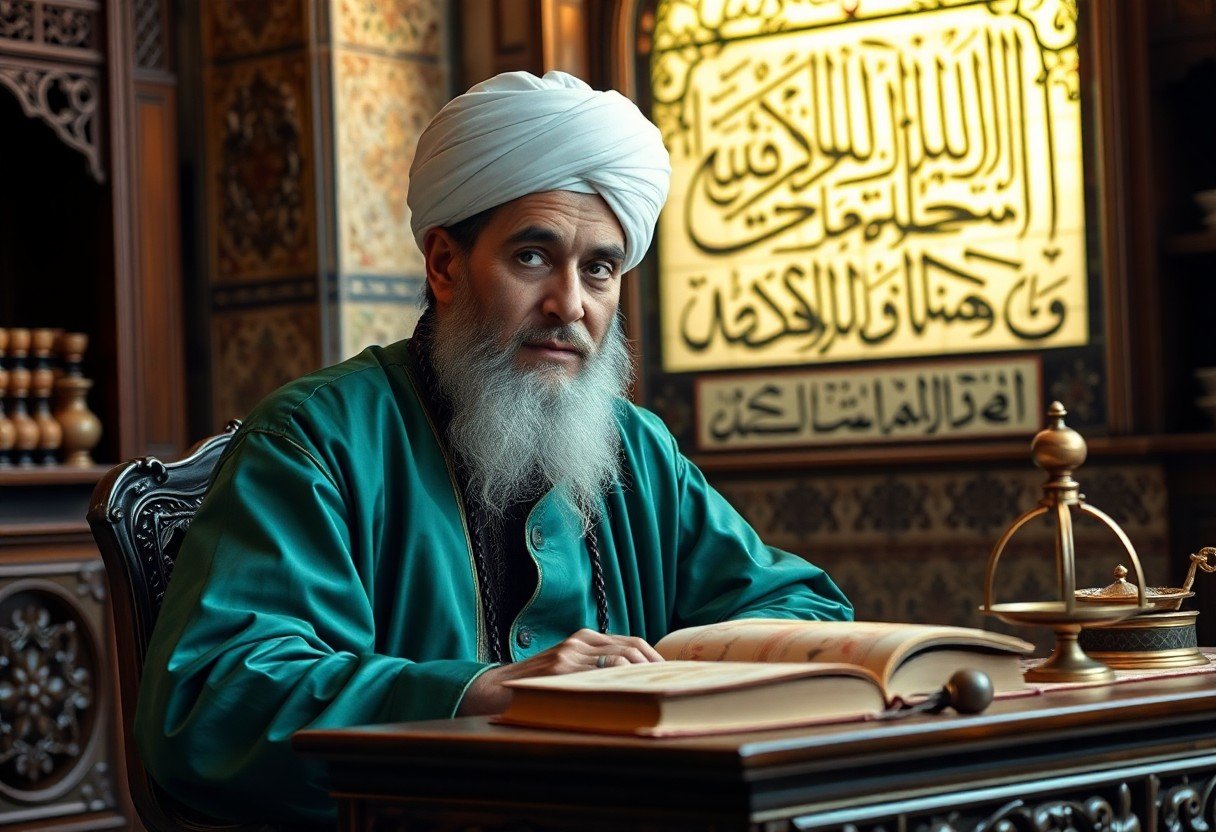
Wisdom describes Al‑Hakim as the Divine One whose judgments are perfectly measured, free from error, and applied with discerning knowledge that you cannot fully replicate. You encounter this name within the classical list of the 99 Names of Allah, where it signals not only comprehensive knowing but the right and fitting execution of that knowing in every decree and law. The Arabic form الْحَكِيم carries connotations of sound judgment, order, and finely tuned purpose that intersect in creation, morality, and revelation.
You see traces of this attribute throughout the Qur’an and in prophetic guidance, where outcomes and commands present coherence beyond human calculation. Scholars and exegetes show how legal rulings, moral injunctions, and the balance observed in natural systems reflect a wisdom that orders means toward wise ends. The belief that Allah is Al‑Hakim shapes how you approach questions of justice, ethics, and meaning, urging you to look for alignment between divine wisdom and human action.
When you confront hardship or unexpected change, Al‑Hakim offers a framework that reframes loss as part of a broader wisdom that you may not immediately perceive. You are encouraged to allow uncertainty to prompt reflection instead of haste; patience and inquiry often reveal patterns and purposes that initial pain obscures. Trust in deliberate judgment coexists with responsible effort, so your choices honor both conviction and careful consideration.
You can cultivate responsiveness to this Name by studying scripture, consulting informed interpretation, and applying ethical reasoning in decisions large and small. Prayerful contemplation and sincere consultation help you test options against principles that mirror divine wisdom: justice, proportion, and long‑term good. The practice of invoking Al‑Hakim in supplication sharpens your sense of right timing and fitting action, guiding you toward outcomes that harmonize knowledge with just application.
You will find that embracing Al‑Hakim changes how you weigh outcomes and interpret events, encouraging humility before complexity and confidence in the sense that decisions grounded in perfect wisdom aim toward ultimate balance and good.
