
Recently, a sister reached out to me with a request to write a blog post about Mawlid. While she didn’t specify her reasons, I assumed that her curiosity stemmed from the prevalence of Mawlid celebrations in her community and around the world, juxtaposed with the discomfort some people feel about it. Additionally, she seemed interested in understanding why Mawlid is sometimes labeled as a Bid’ah (innovation).
Mawlid, the celebration of the birth of the Prophet Muhammad (peace be upon him), is undeniably a contentious issue within the Islamic world. It has been a subject of intense debate and disagreement spanning decades, resulting in varying perspectives across the Muslim spectrum. Although I’ve touched on this topic superficially in some of my previous posts, the sister’s request prompted me to explore it more comprehensively. As a layman Muslim who doesn’t feel particularly offended by either side of the debate, I decided to delve deeper into the subject and offer a simple analogy to shed light on the matter.
Before we embark on this journey, I’d like to preface this blog post with a disclaimer and an apology if the content appears challenging or exaggerated to some readers. My opinions are formed through thorough research, discussions with fellow Muslims, and consultations with knowledgeable scholars (Ulamahs) both online and offline. It’s essential to remember that this issue, like many others in Islam, is multifaceted, and differing viewpoints are a natural part of our rich religious tradition.
Islamic scholars do not all define bidah in exactly the same way. Some use broad classifications that distinguish praiseworthy and blameworthy innovations, while others reserve the religious term bidah for practices introduced into worship without sufficient basis. The Mawlid debate sits inside that larger disagreement, so the article should not begin by assuming one classification has already settled the issue.
Before examining Bid’ah. Let’s look at our world’s inventions below:
| Good Inventions | Description | Bad Inventions | Description |
| 1. Penicillin | Antibiotic that revolutionized medicine by treating bacterial infections. | 1. Chemical Weapons | Created to harm and kill, causing mass destruction. |
| 2. Internet | Global communication and information-shaing platform. | 2. Landmines | Deadly explosive devices that cause long-lasting harm. |
| 3. Vaccines | Preventive measures against various diseases, saving countless lives. | 3. Cigarettes | Highly addictive and linked to severe health issues. |
| 4. Solar Panels | Clean and renewable energy source, reducing reliance on fossil fuels. | 4. Nuclear Weapons | Capable of immense destruction and loss of life. |
| 5. Wheel | Fundamental invention for transportation, machinery, and industry. | 5. Plastic Bags | Environmental hazard, leading to pollution and harm to wildlife. |
Ordinary inventions such as vaccines, printing presses, microphones and the internet are not the same category as introducing a new religious act of worship. A medical technology can be new without becoming a bidah in the legal sense debated by scholars. That distinction matters because otherwise almost every modern tool would be confused with a theological question.
Medical history is a separate subject and does not determine whether Mawlid is a permissible commemoration or an impermissible religious innovation.
There is no reliable basis for claiming that the earliest Muslim generations did not need vaccines because their diet, stress levels or environment protected them from infectious disease. Epidemics existed in the premodern world. The vaccine comparison therefore does not help resolve the Mawlid question.
Now coming back to Islam. Let’s look at five examples each of what are considered good (Hasanah) and bad (Sai’ah) innovations (Bid’ah) in Islam:
A more useful distinction is between new tools or organisational methods and new acts treated as religious worship. Printing Qurans, using microphones, organising schools and building websites are new means. They do not automatically create new worship. Mawlid is debated precisely because supporters describe it as an organised means of expressing already established acts such as seerah, salawat and charity, while opponents argue that fixing those acts to an annual religious commemoration gives the gathering a ritual status the earliest Muslims did not establish.
Hasanah Bid’ah (Good Innovation):
Hasanah Bid’ah refers to innovations that do not contradict the established teachings of Islam and are seen as beneficial to the Muslim community. These innovations are introduced with good intentions and do not lead to any deviation from the core principles of the faith. Examples of Hasanah Bid’ah might include the compilation of the Quran into a single book form during the Caliphate of Abu Bakr (may Allah be pleased with him) or the establishment of educational institutions to teach Islamic knowledge.
These innovations are viewed as a means to facilitate and improve the practice of Islam without compromising its fundamental principles.
Sai’ah Bid’ah (Bad Innovation):
Sai’ah Bid’ah refers to innovations that contradict or deviate from the established teachings of Islam. These innovations often introduce practices, beliefs, or rituals that are not supported by authentic sources of Islamic guidance. Examples of Sai’ah Bid’ah might include creating new acts of worship or altering the fundamental beliefs of Islam. For instance, introducing new rituals in prayer or deviating from the established understanding of monotheism would be considered Sai’ah Bid’ah.
Sai’ah Bid’ah is seen as harmful because it can lead to a distortion of Islamic beliefs and practices, potentially causing confusion and division within the Muslim community. It’s important to note that the classification of an innovation as Hasanah Bid’ah or Sai’ah Bid’ah is subject to interpretation by Islamic scholars and jurists. What is considered an acceptable innovation in one Islamic tradition or school of thought might be viewed differently in another.
Islamic scholars have historically employed certain criteria to assess whether an innovation falls into the category of Hasanah or Sai’ah Bid’ah. These criteria include whether the innovation aligns with the Quran and Sunnah (the practices and teachings of the Prophet Muhammad, peace be upon him), whether it maintains the core principles of Islam, and whether it benefits the Muslim community without leading to deviations in belief or practice.
In summary, Hasanah Bid’ah refers to innovations in Islam that are deemed beneficial and consistent with Islamic teachings, while Sai’ah Bid’ah refers to innovations that contradict or deviate from established Islamic beliefs and practices. The classification of an innovation depends on its adherence to the principles and teachings of Islam, as interpreted by Islamic scholars.
But Now, some may say Mawlid could fall under Sai’ah Bid’ah (3. Adding New Rituals). Let’s analyze the process of Mawlid in Europe, US, Singapore, and Malaysia as examples. Click here to watch this clip to understand the process, first.
| Process | Description |
| 1. Recitation of Quranic Verses | The celebration often begins with the recitation of Quranic verses that praise the Prophet Muhammad (peace be upon him) and emphasize his significance in Islam. |
| 2. Dhikr (Remembrance) | Attendees engage in dhikr, which involves the repeated remembrance of Allah and the Prophet through phrases and prayers to seek blessings and express love and devotion. |
| 3. Poetry and Nasheeds | Poetry and nasheeds (Islamic songs) are recited or sung, praising the life, character, and qualities of the Prophet Muhammad (peace be upon him). |
| 4. Lectures and Sermons | Scholars or religious leaders may deliver lectures and sermons that provide insights into the Prophet’s life, his teachings, and his impact on the Muslim Ummah. |
| 5. Reading of Seerah (Biography) | A portion of the Prophet’s biography (Seerah) may be read aloud, highlighting key events, teachings, and anecdotes from his life. |
| 6. Salawat and Salutations | Attendees send blessings and salutations (Salawat) upon the Prophet Muhammad (peace be upon him), often accompanied by raising hands and invoking peace and blessings upon him. |
| 7. Distribution of Food and Charity | It’s common to share meals or distribute food to attendees and give to charity as an expression of generosity and goodwill, following the example of the Prophet’s character. |
| 8. Community Gatherings | Mawlid celebrations often take place in mosques, community centers, or homes, where Muslims come together as a community to commemorate the occasion. |
| 9. Acts of Kindness and Good Deeds | Some individuals use the occasion to perform acts of kindness and good deeds in honor of the Prophet’s teachings of compassion and generosity. |
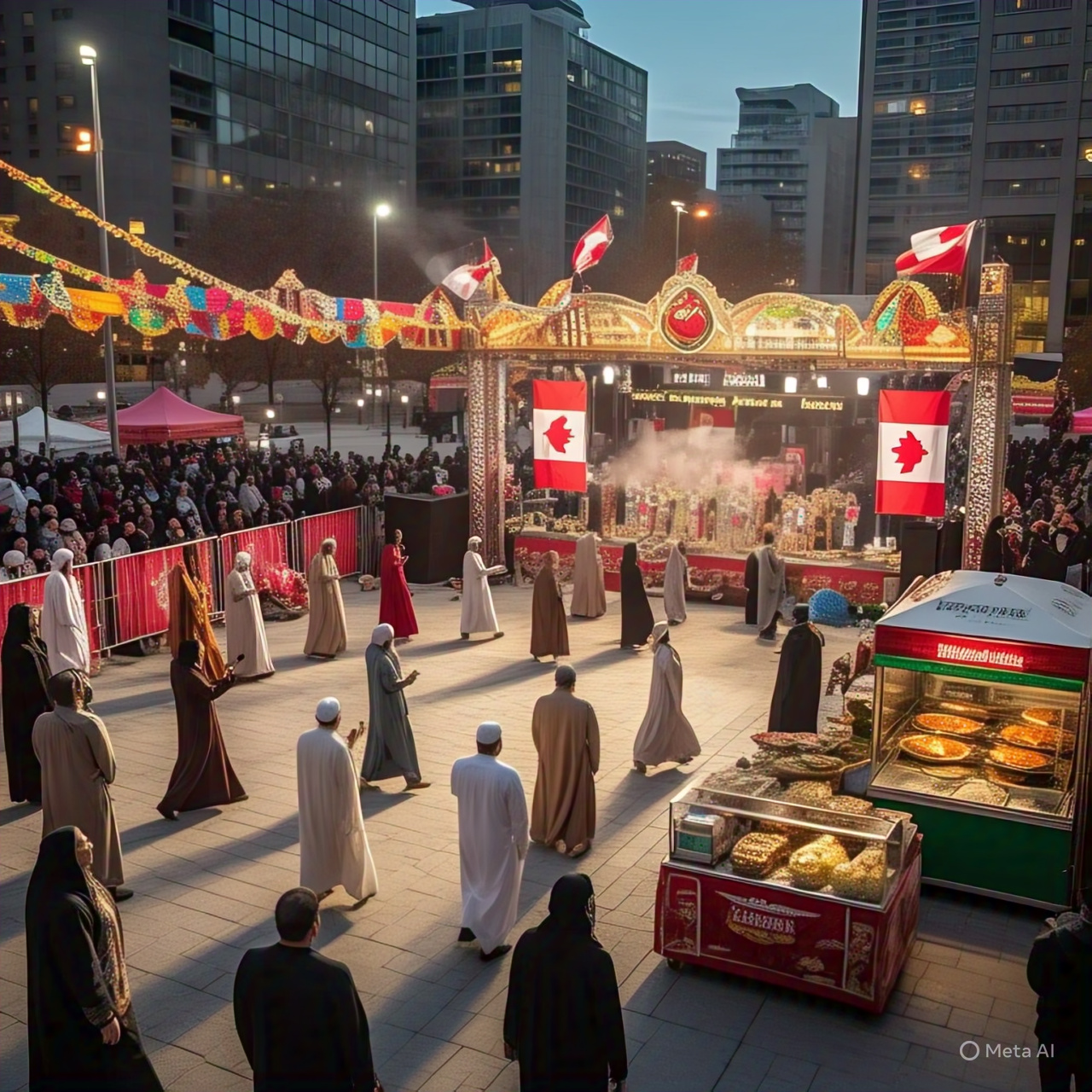
| 10. Cultural Expressions | In some regions, Mawlid is marked with cultural expressions, such as processions, decorations, and artistic displays to commemorate the Prophet’s birthday. |
| 11. Prayer and Supplication (Dua) | Attendees offer prayers and make supplications, seeking Allah’s blessings for themselves, their families, and the entire Muslim Ummah. |
| 12. Reflection and Renewal of Faith | Mawlid provides an opportunity for attendees to reflect on their faith, renew their commitment to Islam, and strive to follow the Prophet’s example in their lives. |
| 13. Interfaith and Community Outreach | In some cases, Mawlid celebrations may involve interfaith dialogues or community outreach activities to promote understanding and unity among diverse communities. |
I don’t wish to go through every point as it’s self-explanatory. Frankly speaking, instead of always spending time chilling out with friends, dining, doing karaoke, having BBQs, binge-watching, and so on, we should occasionally devote time to our Islamic practices. It’s not common for us to attend lectures, recite the Quran, and engage in discussions about pious predecessors. So, what’s the matter with Mawlid then? Well, let’s talk about it too.”
Apart from these significant reasons such as Lack of Historical Precedent, Concerns about Religious Innovation, Divergent Practices, Fear of Syncretism, and Focus on Other Forms of Worship which are debatable, let’s look at the practices by Muslims celebrating Mawlid out of the norm:
- Elaborate Celebrations: In some places, Mawlid celebrations can be extremely elaborate, resembling festive events more than religious gatherings. This may include grand processions, musical performances, and extravagant decorations, which some consider to be at odds with the solemnity of religious observance. Benghazi residents celebrate Mawlid holiday despite opposition [no comment] – YouTube
- Music and Dancing: Some Mawlid celebrations incorporate music, singing, and even dancing. While music and dance can be integral to cultural expressions, their inclusion in religious celebrations can be a point of contention among those who view them as incompatible with Islamic worship.
- Excessive Spending: Some Mawlid celebrations involve significant expenditures on decorations, food, and gifts. Critics argue that such extravagance may divert resources from charitable activities and helping those in need, which are emphasized in Islam.
4. Syncretism: In certain regions, Mawlid celebrations may incorporate elements from non-Islamic traditions or cultures, raising concerns about syncretism. Syncretism refers to the blending of religious or cultural practices from different belief systems, which some see as compromising the purity of Islamic faith.
6. Misuse of the Prophet’s Name: Some critics argue that excessive focus on Mawlid celebrations can lead to the inappropriate or commercial use of the Prophet Muhammad’s name and image, which they view as disrespectful.
During the process of writing this blog post, I came across the two video clips below. I found them to be amazingly cute. We often pay a visit to places like Disney World, Funworld, Children’s Day Concerts, Legoland, or even New Year’s Street Parties. These environments can be fun, engaging, and moderately halal. I mean, if all Muslims were to stop attending such events, it could potentially have a negative impact on our community. Please check out the video first.
Celebrating the mawlid (birth) of the Prophet Muhammad (peace be upon him) in our community
The absence of specific Hadith mentioning the Prophet’s birthday celebrations does not necessarily mean he opposed it. Some argue that the concept of celebrating the Mawlid developed after the Prophet’s time and was not practiced during his lifetime, so there was no occasion for him to comment on it. Now, let’s shift our focus to one of the world’s inventions: the INTERNET.
The internet is a useful example only in a limited sense. It is a tool, not an act of worship. It can be used for Quran study, business and family communication, or for gambling, harassment and pornography. There is no sound basis for claiming that a Prophetic report about people talking to themselves was a prediction of mobile phones or implanted chips.
I am merely comparing the intentions of its users. Many Muslims use it for studying, finding information, connecting with people, conducting business, etc. It’s a good thing, right? I want to use LinkedIn to enhance my skills; it’s not haram. I will be excited, and it could bring me better prospects in my career. Conversely, if I want to stalk someone on social media, engage in online gambling, or even watch undesirable sites, it could also be done. So, what am I supposed to do? Should I refrain from using the Internet?”
Let’s illustrate how the practice of Riba (interest) can affect a community and individuals using a layman’s example:
In Singapore, when a person buys a Housing and Development Board (HDB) flat with a loan, they typically enter into a financial arrangement that involves paying interest. Let’s explore how the concept of interest (riba) is considered Haram in Islamic finance and suggest an alternative living arrangement for Muslims who want to avoid it.
Impact of Interest (Riba) on Buying an HDB Flat:
- Accrual of Interest: When you take out a loan to purchase an HDB flat, the loan comes with an interest component. Over time, you end up paying more than the original purchase price due to this interest. In Islamic finance, earning or paying interest is considered Haram because it involves making money from money without engaging in productive economic activity.
- Financial Burden: Paying interest on a loan can be a financial burden, especially in the long term. It can lead to debt accumulation and may affect your financial well-being.
- Ethical Concerns: Islamic finance emphasizes ethical and just financial transactions. Charging or paying interest, as is common in conventional loans, is viewed as exploitative and unethical.
Alternative Living Arrangement for Muslims in Singapore:
For Muslims who want to avoid interest-based loans when buying a home in Singapore, there are alternative options:
- Renting: One option is to rent an apartment or flat rather than taking out a loan to buy one. Renting allows you to have a place to live without incurring interest-based debt. While you won’t build equity like a homeowner, you avoid the Haram aspect of riba.
- Shared or cooperative ownership: Cooperative property models exist in some markets, but readers should not assume that a practical Shariah compliant cooperative housing scheme is currently available to ordinary Singapore buyers without verifying the actual provider and legal structure.
- Islamic home financing: Structures such as Ijarah, Murabaha and diminishing partnership are used in some countries. Availability for ordinary residential buyers in Singapore should be verified directly rather than assumed from products offered overseas.
Riba does not provide a useful shortcut for deciding the Mawlid issue. The prohibition of riba is established, while the application of necessity and need to particular financial situations involves separate fiqh questions. It is also wrong to tell Singapore Muslims that they should simply migrate because conventional interest exists in the financial system.
Mawlid has its own scholarly debate. Many Sunni scholars have permitted commemorations that consist of lawful acts such as Quran recitation, seerah, salawat, charity and teaching. Other scholars reject organising those acts specifically as an annual religious commemoration because the Prophet ﷺ and the earliest generations did not celebrate his birth in that form. Both arguments should be represented on their own evidence.
- Recitation of Quranic Verses: is it wrong, to even recite specific surahs from the Mushaf?
- Dhikr (Remembrance): group dikiring with ALLAH attributes, is it wrong?
- Poetry and Nasheeds: Poetry and nasheeds were done during the Rasul’s (s.a.w) times.
- Lectures and Sermons: Again, is it wrong?
- Reading of Seerah (Biography): It’s an inspiration to our kids and a reminder of how we should live life.
- Salawat and Salutations: ALLAH sent salaam to us if we send salaam to our Rasul. Ma sha ALLAH.
- Distribution of Food and Charity: Abundance goodness.
- Community Gatherings: Best time to mingle and tighten kinship, especially for children.
- Acts of Kindness and Good Deeds: Buying simple gifts or exchanging tips and tricks in life.
- Cultural Expressions: Potluck gathering appreciating different cuisine cultures, etc.
- Prayer and Supplication (Dua): Praying in Jama’ah
- Reflection and Renewal of Faith: Islamic Faith Discussion
- Interfaith and Community Outreach: DA’WAH
A gathering that contains Quran, dhikr, salawat, teaching and family connection can contain many individually good acts. Authentic hadith also describe angels surrounding gatherings of remembrance. But that does not allow us to declare that every Mawlid gathering automatically receives a particular unseen blessing. The ruling still depends on what is done, what participants believe about it and which recognised scholarly view they follow.
Some brothers are defiant that MAWLID should not be observed. It could be a personal reason or exposure to corrupt practices. There may be instances where some individuals engage in practices that can be perceived as cheating or abusing the rituals. Here are a few potential examples:
- Commercialization: Some individuals and businesses may exploit religious rituals, including Mawlid, for financial gain. This can include selling overpriced religious items, organizing extravagant events with high entrance fees, or engaging in practices that prioritize profit over spiritual significance.
- Syncretism: In diverse religious communities like India, there can be a blending of religious practices from different traditions. While some may see this as a form of cultural integration, others may view it as an abuse of religious rituals when they become diluted or mixed with elements from other faiths.
- Misinterpretation: There may be instances where individuals misinterpret or misrepresent religious rituals associated with Mawlid. This can include conveying inaccurate information about the significance of certain practices or using them for personal or political purposes.
- Superstition: In some cases, religious rituals may be misconstrued as a means to fulfill personal wishes or desires through superstitious beliefs rather than as a form of devotion and worship.
- Lack of Knowledge: Some individuals may engage in religious rituals without a deep understanding of their historical and theological context. This can lead to practices that are disconnected from the original purpose and meaning of the rituals.
Conclusion
The Mawlid debate is not helped by mocking Muslims on either side. Those who participate may be following scholars who regard a lawful commemoration of the Prophet ﷺ as permissible or praiseworthy. Those who avoid it may be following scholars who believe fixing a religious commemoration to the Prophet’s birth has no basis in the practice of the earliest generations.
The stronger approach for a general reader is to understand both arguments, avoid practices that clearly contradict Islam, and refuse to turn a recognised fiqh disagreement into a test of whether another Muslim loves the Prophet ﷺ.
To Mawlid or Not to Mawlid? Bidah Explained
This video summarizes my opinion about this topic. However, in a world filled with stress, depression, distractions, and limited time for Ibadah, I don’t mind participating in a Mawlid. Sometimes, I may not engage in certain dhikr, but I know that the blessings of Allah will be there, as I have another valuable reward, which is maintaining strong family ties (SIRATUL RAHIM).
